
By Shane Edmonds, CTO, Structured
Partner marketing should be a growth engine. The strategies are sound. The partner commitment is real. But the technology available to execute those strategies is fundamentally broken. That’s why results consistently fall short. The problem isn’t the people or the programs. It’s the tools they’re forced to use.
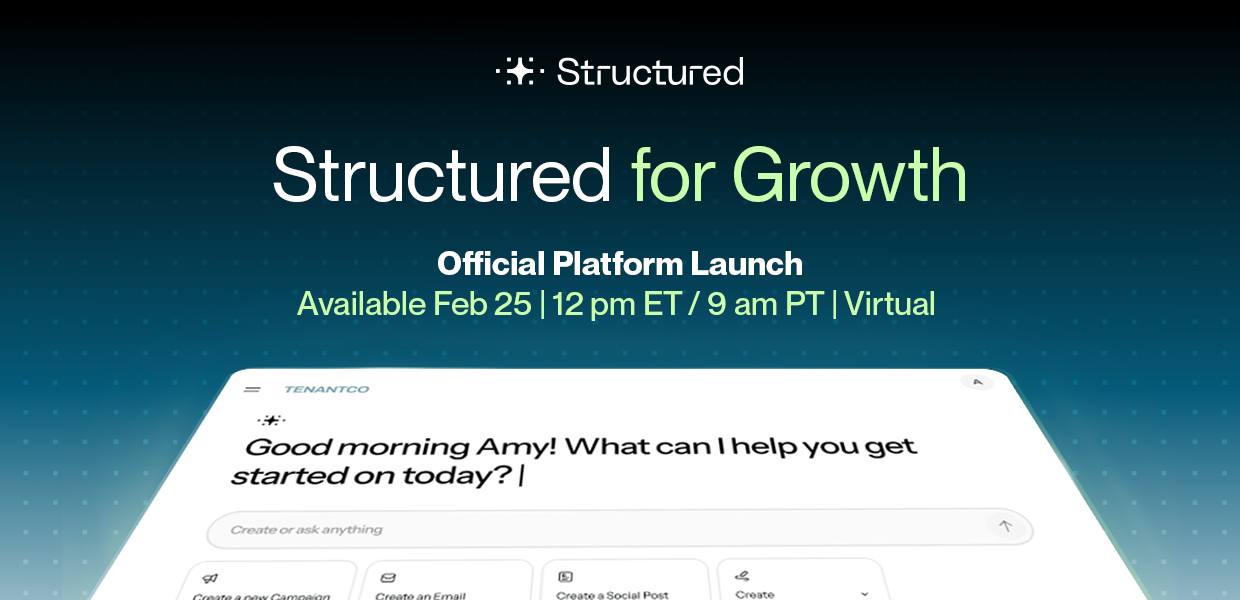
This is what we’re tackling at our virtual event Structured for Growth on February 25, where we’re unveiling how AI native execution is fixing what’s been broken for decades. Register here.
Where It All Falls Apart
Partners are overwhelmed. They’re running businesses, serving customers, and trying to keep up with product updates from multiple vendors. Marketing gets deprioritized because it’s genuinely hard and they lack the resources to do it well.
Meanwhile, channel teams drown in support requests instead of driving revenue. “Customize this for our region.” “Where are assets for this vertical?” “How do I localize this?” Every request is legitimate, but the volume makes scaling impossible.
The result? Slow execution and massive missed revenue. According to Jay McBain, Chief Analyst at Canalys, approximately 75% of global B2B tech revenue flows through the channel ecosystem, yet most partners dramatically underutilize available resources.
Why Portals Don’t Fix This
The industry’s answer has been better content repositories. Build portals. Organize assets. Add search. But access doesn’t equal execution. Partners can find content but often can’t act on it effectively. Static portals assume partners know what to do next, have the context to choose the right campaign, and possess the resources to customize and launch it.
Most struggle with this. They’re looking at hundreds of assets without clear guidance on which one fits their specific situation. The problem isn’t finding content. It’s knowing how to apply it to their unique market and customers. Partners don’t need better filing systems. They need tools that help them activate.
How AI Rewrites the Rules
AI isn’t the goal. It’s the engine that turns strategy into activation and then real revenue.
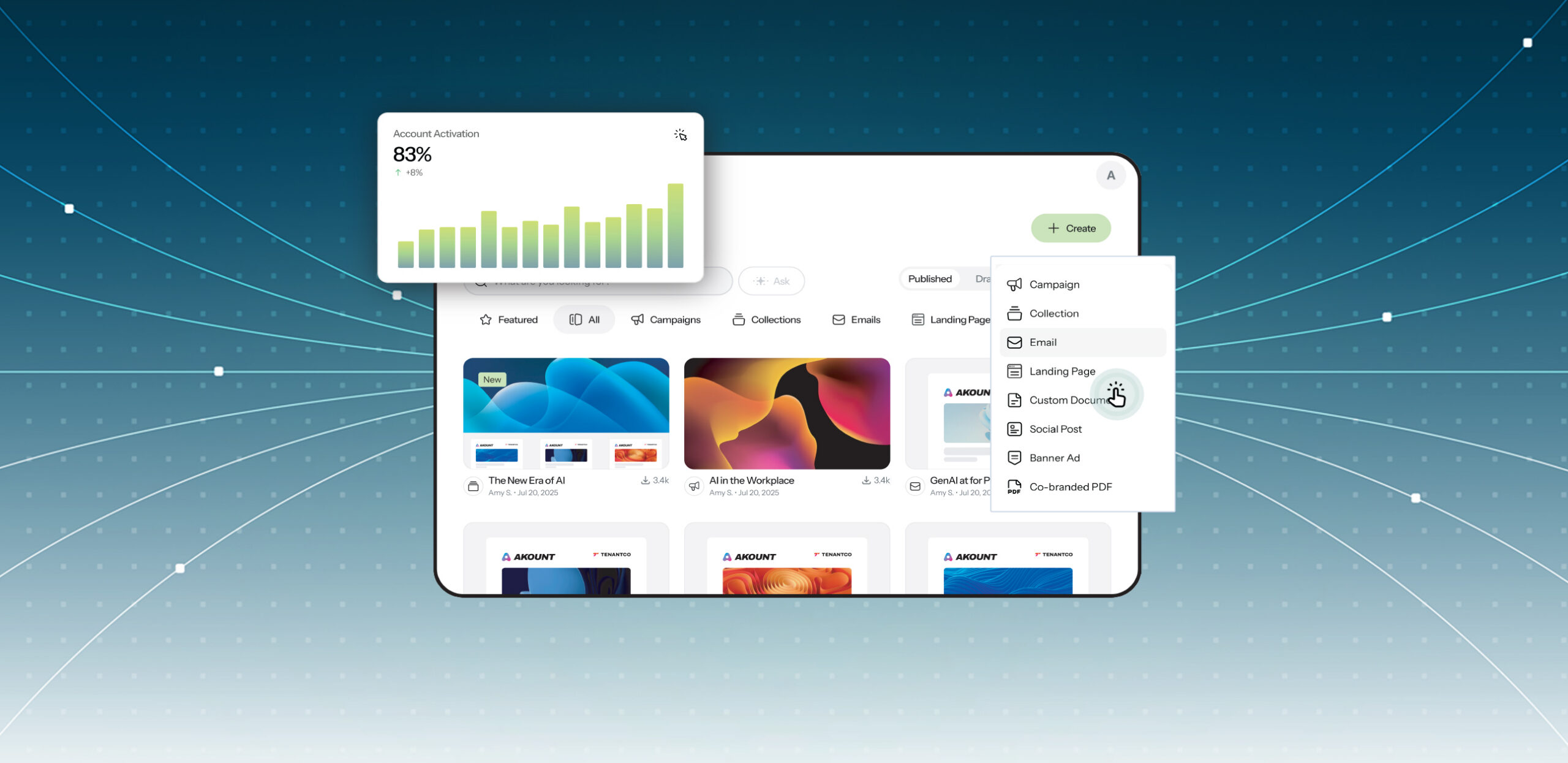
Instead of browsing portals, partners describe what they need: “Create a campaign targeting financial services customers in Germany with our cloud security solution.” The system generates a complete campaign with localized messaging, compliant branding, social posts, and email sequences ready to execute through whatever platform they already use.
Partners go from idea to live campaign in minutes. They create targeted social promotions for specific verticals, generate messaging that resonates locally, and launch multi-channel efforts without waiting for vendor support or resources they don’t have. This is real activation that drives actual pipeline and revenue, not content sitting unused in a library.
An AI native platform understands each partner’s context and proactively suggests next actions based on what’s working across the ecosystem. Channel teams shift from handling support tickets to analyzing what drives results and scaling successful approaches across thousands of partners simultaneously.
What Fixed Looks Like
When partner marketing works, three things happen:
- Revenue accelerates. Time to first campaign drops from weeks to minutes. More partners participate because barriers collapsed. Partner engagement and adoption increase when friction disappears.
- Operations scale. Channel teams stop being bottlenecks. Automation handles repeatable work while humans focus on strategy and relationships.
- Programs grow without proportional headcount. Small partners get enterprise capabilities. Large partners execute across regions without waiting for support.
We’re seeing this with Microsoft’s implementation across their partner ecosystem. Skeptics are becoming believers because execution friction just disappeared.
The channel is at an inflection point. Building bigger portals and hiring more support staff doesn’t scale. AI native platforms eliminate the friction that’s been holding partners back from generating revenue for decades.
Join us February 25 to see how this works in practice with Microsoft.