You’ve built the content library. You’ve loaded the portal. You’ve sent the enablement emails. But pipeline from the channel isn’t growing. Campaigns aren’t launching. MDF is going unspent.
The problem might not be your partners. It might be the content.
Here are five signs that your partner marketing content isn’t getting used, and what’s actually driving the disconnect.
1. MDF Utilization Is Stuck
Market Development Funds exist to fuel partner marketing. When they go unspent, the causes vary: complex reimbursement processes, lack of marketing expertise, or simply not knowing the funds exist.
But for partners who want to run campaigns, content fit is often the blocker. They look at the available assets, see nothing that matches their market or audience, and let the funds sit. The intent is there. The content doesn’t support it.
2. Partners Are Creating Their Own Materials
When partners start building their own slide decks, one-pagers, and email templates, it’s a sign they’ve given up on the vendor-provided options. They need something that fits their buyers and they’re not finding it in the portal.
This isn’t malicious. It’s practical. But DIY content creates risk: off-brand visuals, outdated messaging, unapproved claims, and compliance language that legal never reviewed. If your partners are going rogue, the content gap could be the root cause.
3. Campaign Participation Is Declining
You launch a new campaign. You notify the channel. And then… silence. A handful of partners opt in. The rest ignore it.
Declining participation usually isn’t about awareness. Partners know the campaign exists. They’re choosing not to run it because the content doesn’t fit their region, their vertical, or their buyer segment. A campaign built for North American enterprise buyers won’t get traction from a partner selling to mid-market companies in Germany. The lift required to make it work isn’t worth the effort.
4. You Keep Getting the Same Customization Requests
If your channel marketing team keeps fielding the same requests, that’s a signal. “Can we get this in Spanish?” “Can you swap in a healthcare case study?” “Can we adjust this for SMB buyers?”
Repetitive requests reveal the gap between what you’ve built and what partners actually need. Each request represents a partner who tried to use your content and hit a wall. For every one who submits a ticket, more have already moved on.
5. You Don’t Know What’s Actually Happening
This is the most dangerous sign, because you can’t see it directly. If you lack visibility into which partners are using which content, which campaigns are being deployed, and what results they’re generating, you’re flying blind.
Without that data, you can’t distinguish between content that’s failing and content that’s never being tried. You can’t identify which partners need support and which are thriving. You can’t measure ROI on your content investment because you don’t know where it’s landing.
Visibility isn’t just nice-to-have. It’s the foundation for improving everything else.
The Underlying Problem: Fit
These five signs point to the same root cause. Partners are under-equipped. The content doesn’t fit their market, their industry, their buyers, or their sales motion. And when content doesn’t fit, it doesn’t get used.
The fix isn’t more content. It’s more relevant content, delivered in a way that lets partners get exactly what they need without waiting.
How Structured Solves the Fit Problem
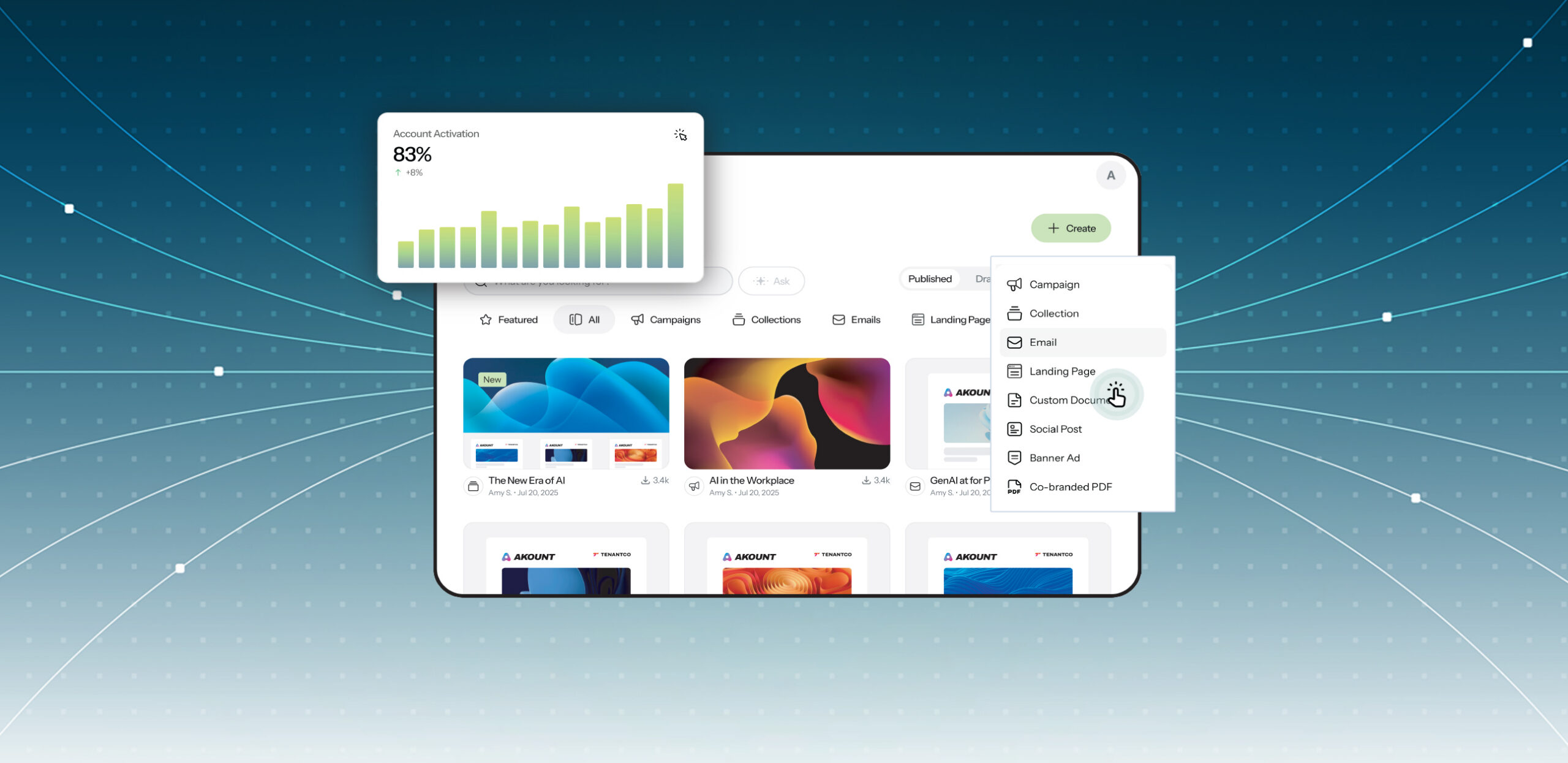
Structured’s AI engine lets partners describe what they need in natural language and receive brand-compliant, personalized content in minutes. A partner in Germany can ask for a localized version with GDPR-compliant language. A partner selling to healthcare can request industry-specific proof points. No request tickets. No queues. No waiting.
And just as importantly, vendors get visibility into partner participation. Structured’s platform shows which partners are accessing content, which campaigns are being deployed, and what results they’re driving. You can see where content is landing and where partners need support. You can measure ROI on your content investment because you have the data.
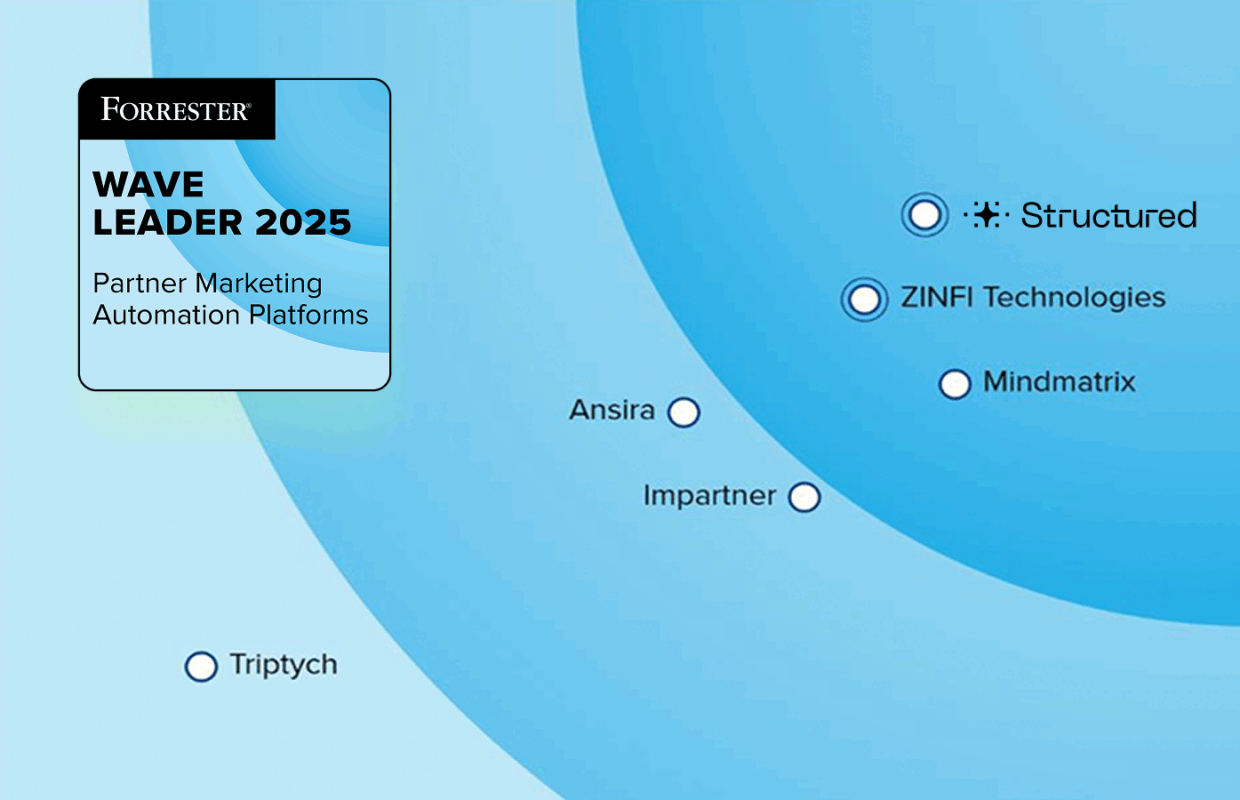
This is the approach that earned Structured the highest possible score in Customization, Localization & Personalization in The Forrester Wave for Partner Marketing Automation Platforms, Q2 2025. It’s how leading enterprise tech vendors are activating their partner ecosystems today.
This is the approach behind what we call the PRISM framework: a model for thinking about partner content personalization across five dimensions, from co-branding to account-level customization.