Thanks to generative AI, content teams are producing more assets than ever, but this is a double-edged sword. Exponentially growing volume means they also face increased complexity and difficulty in maintaining relevance and efficiency. In fact, research from the Content Marketing Institute’s 2025 B2B Content Marketing Report shows that many teams still struggle to ensure content is effective and scalable despite producing more than ever.
For vendors running partner programs, there’s a very real risk that their syndicated content can quickly become stale or irrelevant by the time it reaches partners. The solution is establishing a thoughtful content syndication cadence that keeps campaigns fresh, aligned to goals, and digestible for partners.
Why Does Content Syndication Cadence Matter?
Your content syndication cadence is the rhythm at which vendors deliver updated, co-brandable assets to partners. If content comes too frequently, partners may feel overwhelmed and ignore campaigns. If updates are too infrequent, content loses relevance and market impact. Striking the right balance helps partners stay engaged while ensuring customers see timely, useful messages. Here are some best practices:
- Avoid partner fatigue from too many campaigns
- Keep syndicated assets aligned with product launches, events, and market timing
- Improve adoption rates by matching cadence to partner bandwidth
- Maintain consistent customer engagement across the buyer’s journey
What Factors Influence the Right Cadence for Partners?
Several variables shape how often vendors should refresh syndicated content. These depend on the partner base, the types of assets, and the overall marketing strategy.
- Check partner engagement levels: highly engaged partners may want monthly updates, while others prefer quarterly
- Define campaign goals: lead generation campaigns require more frequent refresh than brand awareness efforts
- Determine content lifecycle: evergreen content (solution briefs) lasts longer, while promotions or launches expire quickly
- Understand regional or industry buying cycles: seasonal industries (education, retail) need time-sensitive refreshes
How Can AI Help Optimize Content Update Schedules?
AI is transforming how vendors and partners manage content refresh. Instead of relying on rigid schedules, AI can analyze engagement data and recommend the best timing. Structured now offers an AI-first syndication model where partners can simply ask for content updates and receive tailored, ready-to-use assets without searching through a maze of links or a confusing partner portal.
- AI can identify underperforming content and suggests refreshes
- Predictive analytics forecast when buyers are most likely to engage
- Auto-generation of campaign variants by region, persona, or funnel stage
- Partners can “just ask” for updated content, instead of waiting for the next scheduled release
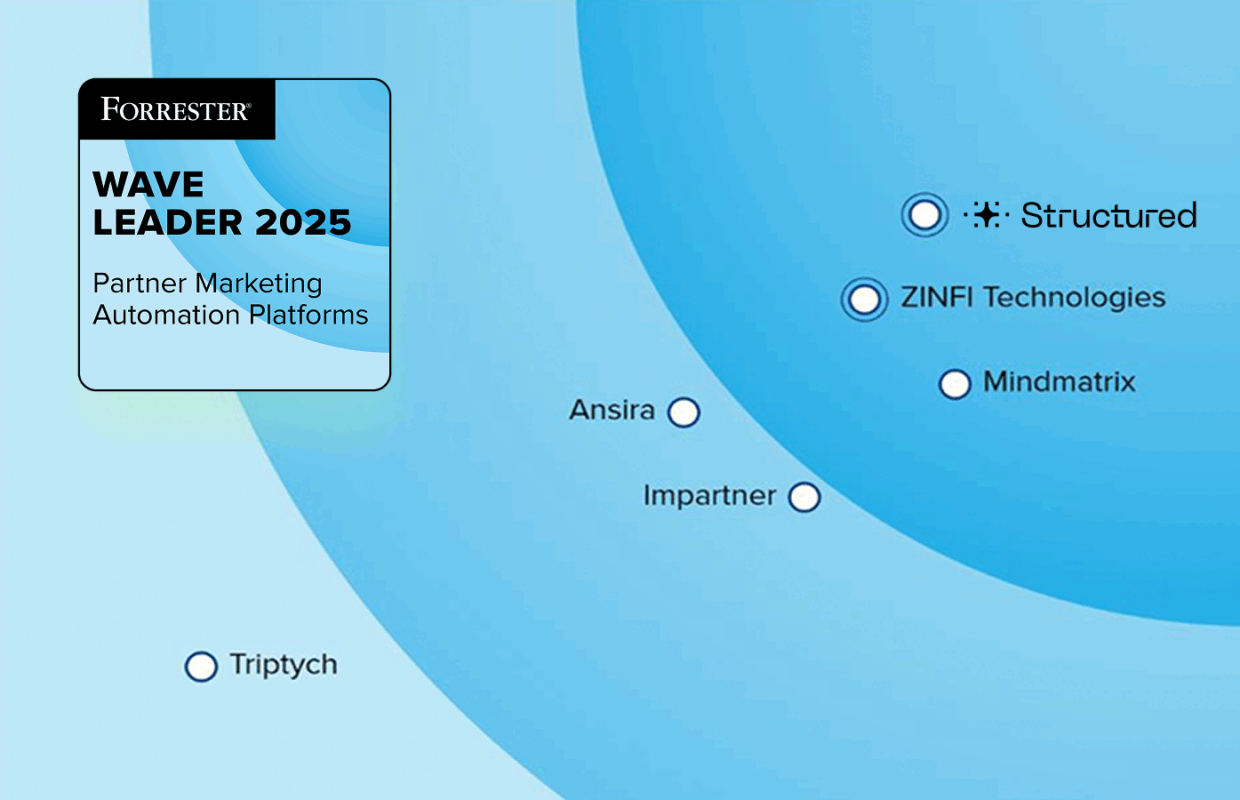
This is the approach that earned Structured the highest possible score in Syndication Management in The Forrester Wave for Partner Marketing Automation Platforms, Q2 2025. It’s how leading enterprise tech vendors are activating their partner ecosystems today.
What Are the Best Practices for a Marketing Syndication Calendar?
To avoid ad hoc updates and ensure smooth execution, vendors should maintain a clear marketing syndication calendar. This provides predictability for partners and aligns updates with sales and campaign priorities.
- Establish a 30-60-90 framework:
- 30 days: tactical updates (blogs, social media)
- 60 days: mid-term refresh (ebooks, webinars, nurture campaigns)
- 90 days: strategic updates (product launches, MDF-funded campaigns)
- 30 days: tactical updates (blogs, social media)
- Share the calendar with partners in advance to boost adoption
- Build flexibility into the schedule so AI-driven refreshes can be added dynamically
- Review and adjust cadence quarterly based on analytics and partner feedback
How Do You Know If Your Cadence Needs Adjusting?
Vendors should not set a cadence once and forget it. Partner feedback and campaign analytics reveal whether updates are too fast, too slow, or just right. Here’s how to make sure you’re hitting the sweet spot:
- Monitor partner usage rates for each new content batch
- Collect feedback directly from partners about content volume and timing
- Track customer engagement metrics such as CTR, downloads, and conversions
- Adjust the update rhythm if adoption or performance drops
Set the Right Content Syndication Cadence
If you want your campaigns to perform, you can’t leave content refreshes to guesswork. Establishing a content syndication cadence gives partners a predictable flow of relevant, co-brandable assets while ensuring customers see timely, compelling messages.