According to the Content Marketing Institute, 91% of B2B marketers say they use content marketing as part of their strategy, recognizing its central role in engaging, nurturing, and converting prospects*.
Maintaining consistent, high-quality content is absolutely essential. When partners are left to develop assets themselves, there is often duplication of effort, inconsistent messaging, and significantly slower time to market.
Vendors are under increasing pressure to deliver consistent, high-impact content across their partner networks without sacrificing brand control. Content syndication addresses that pressure. By providing standardized, vendor-approved assets for partners to use or lightly customize, vendors can scale faster, reduce duplication of work, and maintain messaging coherence across geography and partner types.
What Is Content Syndication in Channel Marketing?
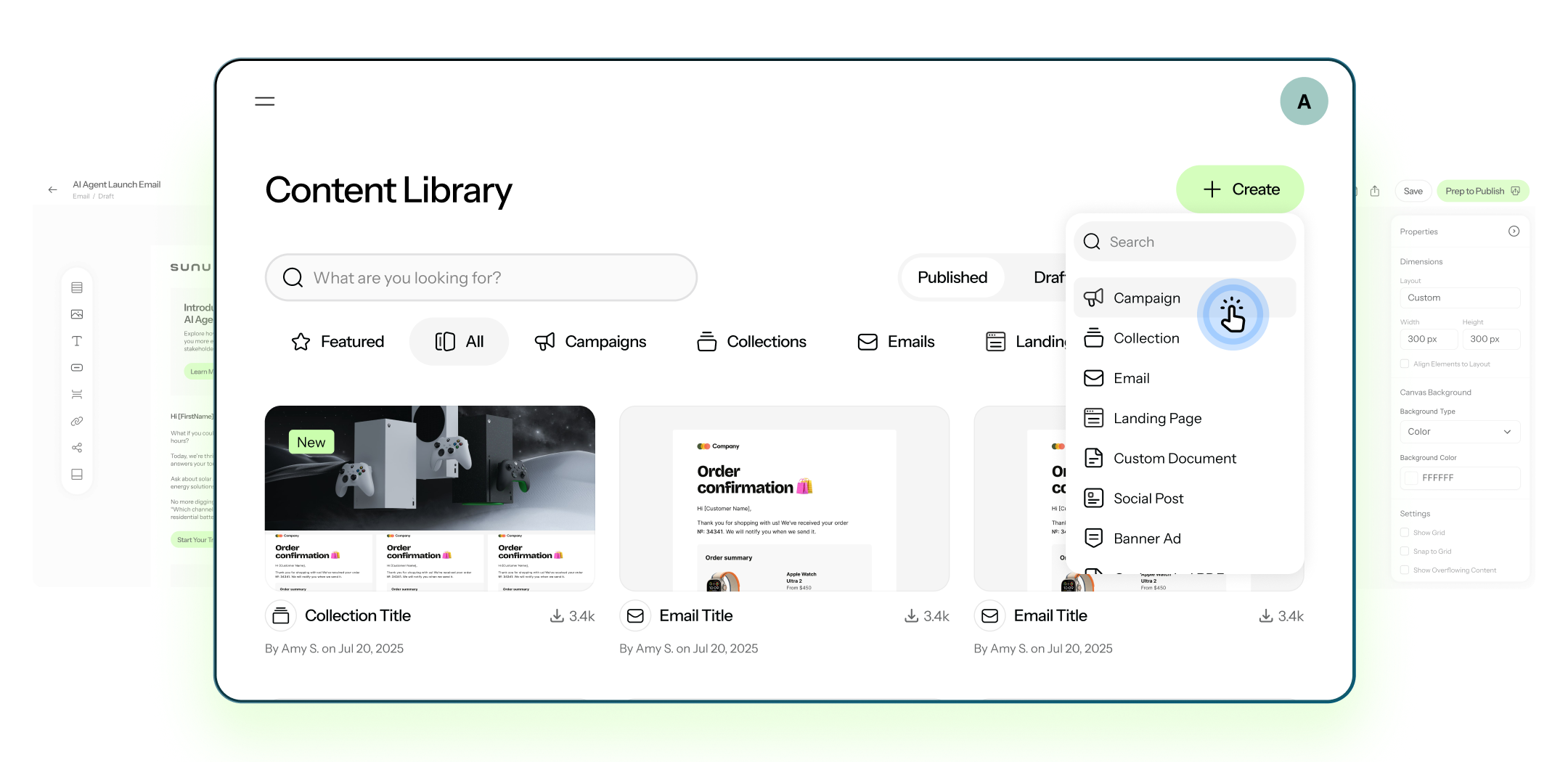
Content syndication in channel marketing refers to when a company produces marketing materials like white papers, blog posts, landing pages, or social media content and distributes them to its partner network. Partners can then localize, co-brand, or publish them quickly, while the vendor continues to control branding, messaging, and often measures performance. Here’s a snapshot of the process:
- Vendor creates assets aligned with buyer personas and channel strategy
- Vendor makes syndicated marketing content available via a partner portal or structured content library
- Partners co-brand, localize, or adjust content for region, logo, voice, or contact information
- Vendor tracks usage, engagement, and lead metrics to assess performance
Why Does Channel Content Syndication Matter for Scaling?
Scaling through partners often means hundreds of local or regional partner entities, each with different resources. Without content syndication, each partner may build things from scratch, which slows things down and introduces inconsistency. Syndication gives vendors a way to standardize quality, reduce partner workload, and expand reach more reliably. This provides a number of benefits for both sides:
- Maintains brand and messaging consistency across the partner channel
- Lowers cost and time for partners to deliver marketing campaigns
- Enables faster campaign launches across many partners at once
- Provides centralized analytics so vendors know what is working or not
This all sounds great until you realize that partners ignore up to 50% of vendor-created content and many never log into the portals at all**. (source) Many vendors can be left feeling like they’ve wasted valuable time. Fortunately, AI is changing the game for partner content.
How Is AI Making Content Syndication Faster and Easier for Vendors and Partners?
Artificial intelligence is increasingly embedded into content syndication workflows. At Structured, AI now enables partners to request customizations simply by asking in plain language. No more hunting through portals or manually revising content. Partners can adjust tone, change content types, localize into another language, change target industries, and produce variations all by just asking the AI to help. This reduces manual effort, speeds turnaround, and ensures consistency with brand guidelines.
- Base assets are transformed into variants by tone, region, or audience type
- AI localization and translation tools reduce time and cost for partners adapting content
- Style matching via AI ensures content stays on brand even when customized by many different partners
Partners can “just ask” for what they need and receive assets ready for deployment.
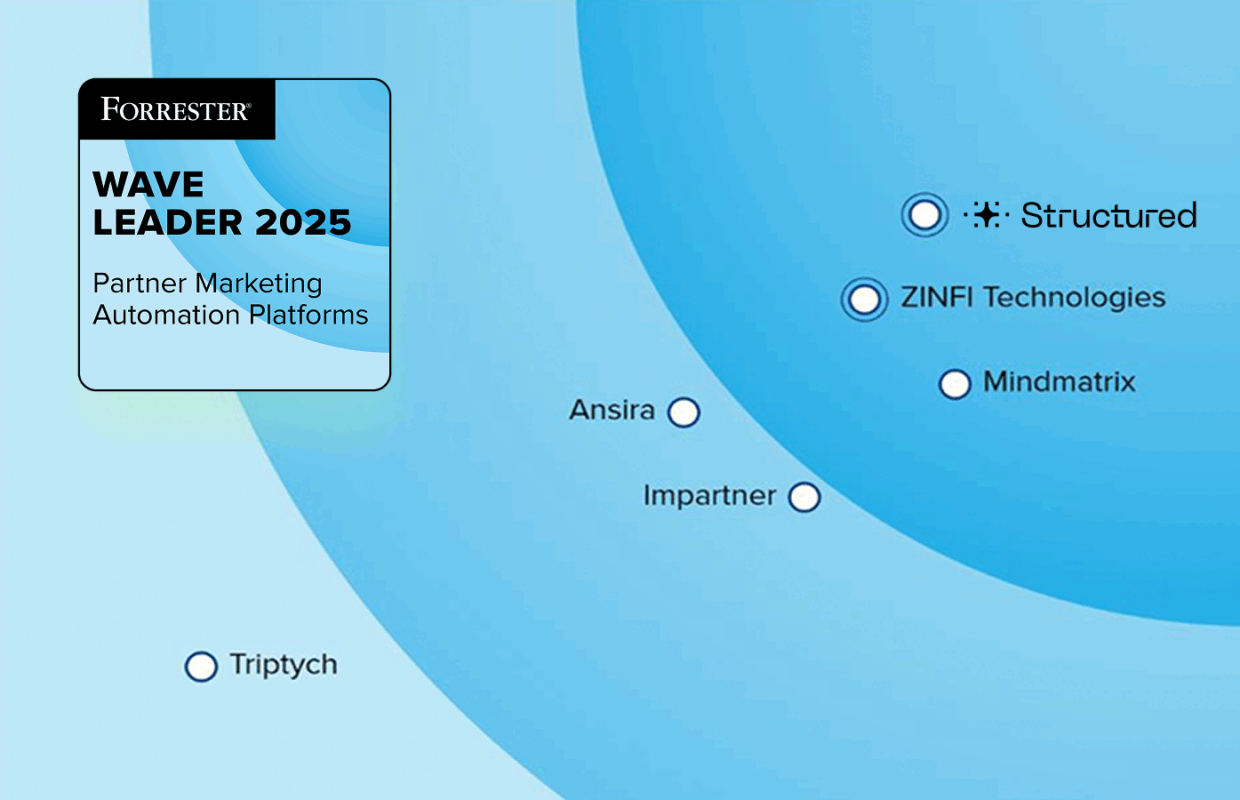
This is the approach that earned Structured the highest possible score in Syndication Management in The Forrester Wave for Partner Marketing Automation Platforms, Q2 2025. It’s how leading enterprise tech vendors are activating their partner ecosystems today.
What Are the Best Practices for Syndicated Marketing Content?
To make content syndication in channel marketing effective, vendors should follow a set of proven practices. These help ensure partner adoption, maintain quality, and deliver measurable impact.
- Use flexible templates that support co-branding or light customization (logo, contact info, region)
- Segment content by partner type and region so that messaging is most relevant
- Maintain a content library with current assets: evergreen content plus some time-sensitive materials
- Provide partner enablement: documentation, training, FAQs so partners know how to use syndicated assets well
- Define clear metrics: usage by partner, lead volume and quality, conversion rates, feedback from partners
- Regularly refresh content to avoid stale or outdated messaging
Take Action to Leverage Content Syndication in Channel Marketing
If you want to scale partner marketing efficiently, you need a strong strategy for content syndication in channel marketing. Vendors should evaluate their current assets, gather partner feedback, and deploy a pilot campaign that leverages AI-driven customization such as Structured’s partner “just ask” model.Get started with content syndication in channel marketing today by scheduling a call with Structured’s team. And transform your partner program by increasing reach, consistency, and speed through AI-enabled tools.
*KEEVE, 71 Content Marketing Statistics for 2025
**Forrester, Improving Partner Portal Utilization