Vendors create the content. Partners don’t use it. Sound familiar?
According to Forrester*, an estimated 65% of B2B marketing content goes unused because it fails to address the audience’s specific needs. In the channel, this disconnect plays out every day: partners need localized, industry-specific, segment-tailored content, and vendors keep handing them one-size-fits-all assets.
The cost of this mismatch is staggering. A DeepL survey of director-level marketers at global B2B companies found that 96% reported a positive ROI from localization efforts, with 65% seeing returns of 3x or greater**. The business case for personalized content is clear. Yet most vendors continue to push the same U.S.-centric, English-language materials to partners operating in vastly different markets, industries, and customer segments.
The core tension is straightforward: vendors invest heavily in content creation, but partners often can’t use it effectively. A case study written for the North American market falls flat in Germany. An SMB-focused email doesn’t resonate with enterprise buyers. Industry-agnostic messaging gets ignored by prospects in highly regulated sectors like healthcare and finance.
This isn’t a problem that willpower or extra effort can solve. It requires a structured approach to personalization across multiple dimensions, supported by technology that makes customization scalable without creating bottlenecks or sacrificing brand control.
That’s why we developed the PRISM framework, a model for thinking about the full spectrum of partner content personalization and making it operational across your partner ecosystem. Let’s take a closer look.
Why Does Personalization Matter in Channel Marketing?
B2B buyers have internalized the standards set by consumer experiences. They expect relevant content tailored to their industry, their role, and their specific challenges. That expectation doesn’t disappear when the buyer is evaluating enterprise software or IT infrastructure. If anything, the stakes are higher: longer sales cycles, larger deal sizes, and more decision-makers who all need to see themselves in the story.
Generic content fails at every stage of the funnel. Open rates drop. Click-through suffers. Conversions stall. When a partner in Munich receives a case study featuring a mid-market retailer in Texas, the disconnect is immediate. The prospect doesn’t see themselves in the story, and the partner loses credibility for sharing something irrelevant.
This creates a downstream problem for vendors. Partners who can’t find usable content either disengage from marketing entirely or start creating their own materials. The first outcome means missed pipeline. The second means brand inconsistency, compliance exposure, and messaging that may contradict the vendor’s positioning.
The inverse is also true.
When partners can access hyper-personalized content in minutes, they launch more campaigns with less lift. They stay active in the market. They generate more leads. And vendors see higher attach rates, stronger co-sell motions, and better ROI on their channel marketing investment.
The PRISM Framework: Five Dimensions of Partner Content Personalization
Personalization isn’t a single activity. It’s a spectrum. Like light passing through a prism, a single piece of vendor content can be refracted into multiple versions, each tailored to a different market, industry, or audience.
We’ve organized this spectrum into a framework called PRISM. Each letter represents a dimension of personalization that partners need and vendors can deliver.
One asset in. Unlimited personalized versions out.
The traditional barrier to this kind of personalization has always been execution. Customizing content across five dimensions for hundreds or thousands of partners meant either a massive internal team or painful bottlenecks. That’s no longer the case.
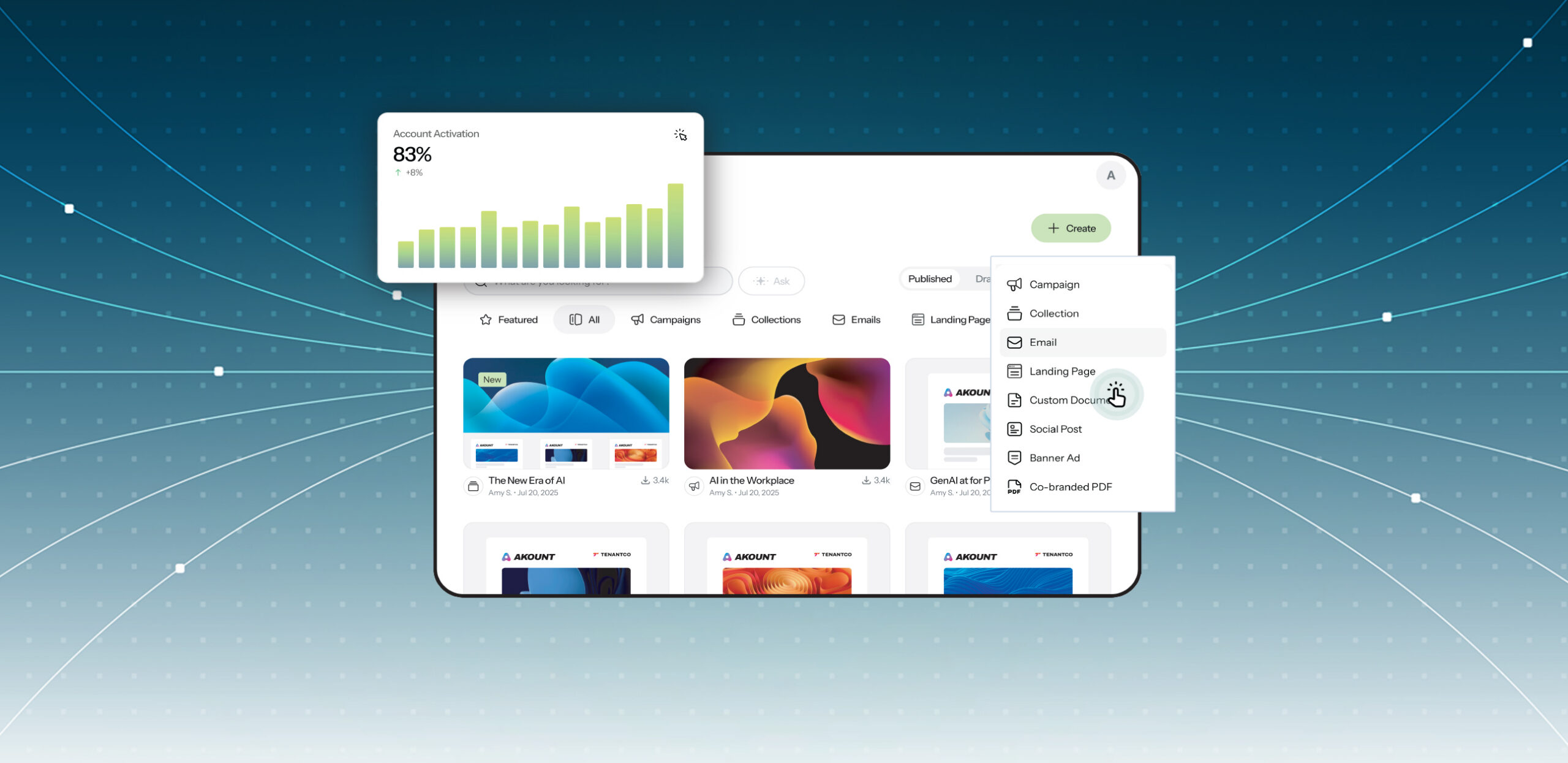
With Structured’s AI engine, partners simply describe what they need in natural language and receive brand-compliant, personalized content on demand. No templates to navigate. No request tickets to submit. No waiting.
Here’s how each dimension works in practice.
P — Partner Identity
Partners need to see themselves in the content they deploy. This dimension covers co-branding elements that establish the partner’s ownership of the asset: logos, brand colors, contact information, and partner-specific calls to action. Without this layer, content feels like vendor collateral. With it, partners are more likely to deploy and stand behind the message.
Just Ask: “Ensure this element includes both our and the company’s logo to the header, our contact info in the footer, and accent colors to match our brand.”
R — Region
Partners operate in diverse markets with different languages, cultural norms, regulatory environments, and buyer expectations. Effective localization goes beyond word-for-word translation. It adapts currency, date formats, compliance language, and swaps U.S.-centric references for locally relevant examples. A campaign targeting buyers in Germany should feel like it was built for that market, not retrofitted from a U.S. original.
Just Ask: “Localize this for Germany. Translate into German, convert pricing to euros, and make sure the regulatory language references GDPR instead of U.S. standards.”
I — Industry
A partner selling to healthcare faces different buyer objections than one selling to manufacturing. Regulated industries require specific compliance language. Technical buyers want different proof points than operations leaders. Industry personalization adjusts messaging, terminology, and case studies to match the sector where the partner competes.
Just Ask: “Adapt this for healthcare buyers. Focus on HIPAA compliance and patient data security, and swap in examples that make sense for hospital IT teams.”
S — Segment
Company size matters. An SMB prospect has different concerns than an enterprise buyer. The CFO cares about different outcomes than the IT director. Segment personalization tailors content to these realities: adjusting scope, simplifying or deepening technical detail, and leading with the benefits that matter most to that specific audience.
Just Ask: “Rewrite this for CFOs at mid-sized companies. Lead with ROI and cost savings, and keep the technical detail light.”
M — Micro Personalization
For high-value opportunities, generic content isn’t enough. ABM motions require account-specific customization: referencing the prospect by name, acknowledging their industry challenges, and positioning the solution in terms directly relevant to their situation. Micro personalization turns generic outreach into a conversation.
Just Ask: “Customize this for Acme Financial. They’re a mid-market firm struggling with regulatory reporting. Position us as the solution to their compliance overhead.”
Each dimension of PRISM can be applied independently or in combination. A partner might need only co-branding for one campaign and full localization plus industry personalization for another. The framework is modular. And with Structured’s AI, every variation is delivered in minutes, not weeks.
Making Personalization Operational
The 65% of B2B content that goes unused isn’t a content problem. It’s a fit problem. Vendors create assets that don’t match the markets, industries, and audiences their partners serve. Partners either deploy generic materials that underperform or disengage from marketing altogether. Both outcomes leave revenue on the table.
By thinking about personalization across five dimensions—Partner Identity, Region, Industry, Segment, and Micro—vendors can build a content strategy that meets partners where they are. And with AI-powered delivery, that strategy becomes operational at scale. Partners get hyper-personalized, campaign-ready content in minutes. Vendors maintain brand control without creating bottlenecks.
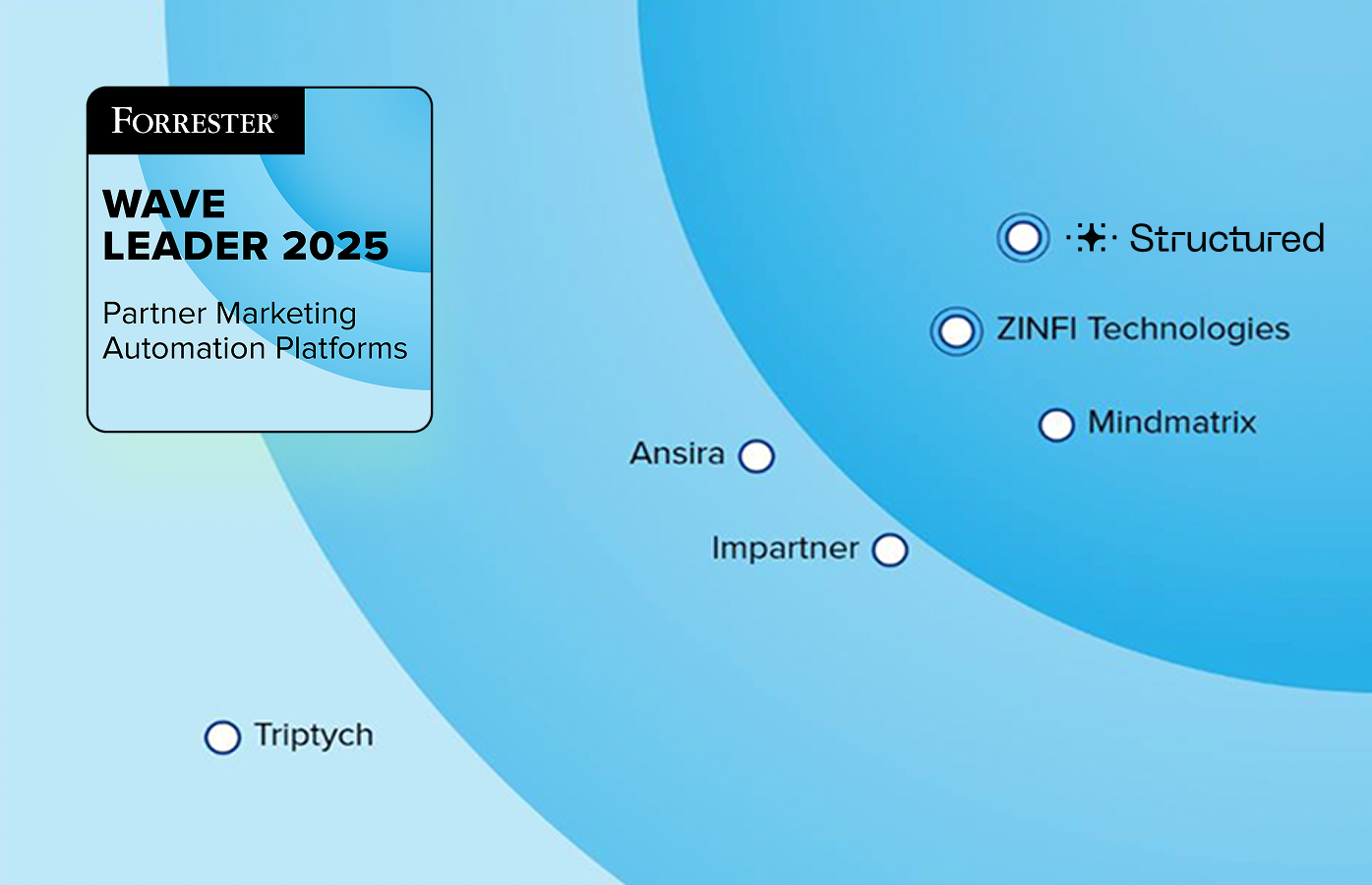
This is the approach that earned Structured the highest possible score in Customization, Localization & Personalization in The Forrester Wave for Partner Marketing Automation Platforms, Q2 2025. It’s how leading enterprise tech vendors are activating their partner ecosystems today.
The partners who can personalize quickly will launch more campaigns and generate more pipeline. The vendors who enable that personalization will capture more of the channel’s potential. The only question is whether your content is ready to be refracted.
*Forrester, “The B2B Content Guide: Make Sales Your Ally In Content Marketing,” November 2022.
**DeepL, “Navigating the Challenges of Content Localization,” survey of director-level marketers at global companies with 100+ employees across the US, Japan, Germany, and France, January 2024.