76% of partners run zero campaigns.
Not a recruitment problem.
Not a content problem.
An execution problem.
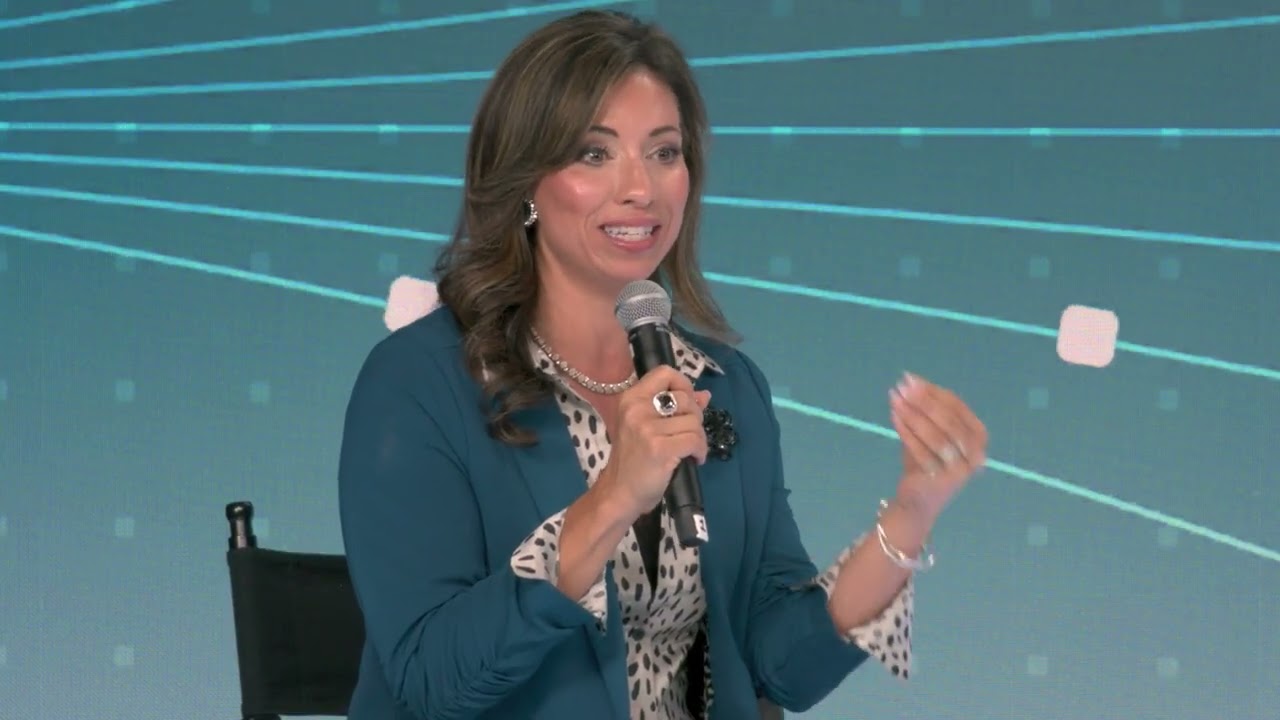
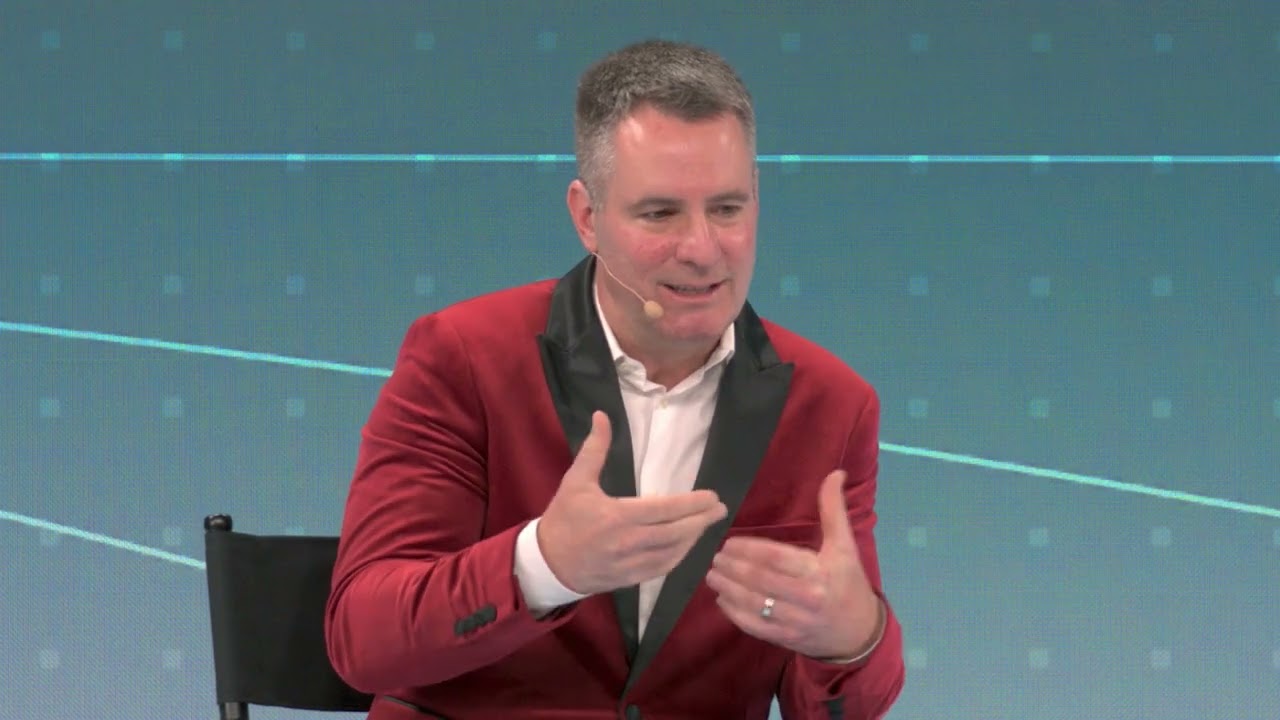
In this webinar, Structured CEO Stacey Epstein sits down with Sam Oliff, Head of Go to Market, and Rissa Mitchell, Senior Director of Customer Experience, to break down the activation gap: the gap between giving partners access to content and getting partners to execute.
Key Takeaways:
- Why throwing more content at the problem can make activation worse
- The two types of partners in every ecosystem and why they need different activation experiences
- The three friction points — content, campaigns, and reporting — that silently kill partner engagement
- What changes operationally when friction is removed
- How leading teams use visibility and data to shape strategy, not just measure activity
This webinar is for channel marketing leaders, partner marketers, and GTM teams focused on improving partner execution and partner-driven pipeline.
Structured helps vendors activate their partner ecosystems by removing the operational friction that keeps partners from executing.
TRANSCRIPT
Good morning. Welcome to our webinar today. We’re really excited to talk to you about the activation gap. We have some great attendees with me, host co-hosts with me on the show today. Um, Sam, who is the structured head of go to market in the eastern region, and Rissa, who is our senior director of customer experience, both of them talking to people like you, um, from our customers and prospects. A lot of experience in the channel. I am, of course, Stacey Epstein. I’m the CEO of structured and we’re really excited to talk to you about this topic, which is near and dear to our hearts at structured the activation gap and really getting your partners to get active and market and run campaigns to sell your product.
So, sort of jarring stat that we have noticed in our research here at structured, seventy six percent of partners run no campaigns. Um, so your team has spent all this time recruiting them. You have a nice large stable of partners who have signed on to be resellers or to be referral partners or whatever capacity distributors. Um, you’ve created a bunch of content, your marketing team has filled a library full of content. So you’ve got the people or the partners, you’ve got the content, you’ve got the materials. But somehow those two things just are not coming together and resulting in campaigns in the field.
The execution of running campaigns is just not happening in enough of our partners. And of course, that’s the problem that we at structured, um, solve every day for our customers is how do we really get those, those partners to activate and to use the campaign that you’ve created in a really productive way to drive pipeline. I like to call it unlocking partner pipeline in the field. So Sam, or first of all, let me talk through what we’re going to talk about in the next thirty minutes. So number one, we’re going to talk about where does this execution break down. You’ve got the partners, you’ve got the content, but the execution is not happening. Why not?
Number two, you’ve got all sorts of content from your own team, from your marketing team. Throwing more content doesn’t solve the problem. Why not? And then number three, what is the friction that’s causing this problem and what changes what is unlocked when it is removed? So before we dive in to the real guts of activist activation, I want to bring Sam into the conversation. And all partners are not different and we shouldn’t treat them the same. So talk to me a little bit about that.
Yeah, absolutely. I think what we can really boil down the majority, if not all partner ecosystems, is in two types of partners. First, you have your enterprise, global partners who have really their own dedicated marketing team. Uh, and then on the other hand, you have your long tail partners who either are the marketing team or the same person is running marketing and sales and installations. So how do we then provide an experience where both of these types of partners can come in and find success? Historically, what we’ve had and back on the old structured web platform was honestly our success. And our sweet spot was the long tail partners, because that’s what the marketing automation platform did. With our new structured platform, we’re able to then differentiate between the two and give two unique experiences based on who that partner is, whether they’re the the long tail partner, whether they’re the global enterprise partner, and allow them to use the platform and the tools in the way that they want to use it.
And I think the interesting thing, and I know we’re going to get into this a little bit later in the webinar, is just because you have this sort of long tail partner who maybe has less resources, less people, less technology, less budget, doesn’t mean they’re not willing to do campaigns. Right? They just need the experience and the tools to be easier. Yeah, absolutely. I think that’s really what it boils down to is they need the tools to be easier. They need things to be simplified. They need things to be faster. And ultimately, they need things to be more intuitive.
Because what we’ve seen historically is that if you make something difficult or time consuming, they’re just not going to do it. They’re going to move on to the next vendor. They’re going to move on to the next priority. And so that’s really what we’re talking about today. How do we remove friction? How do we simplify execution? How do we make it easier for partners to actually market and sell? Because that’s really where the value comes from.
And so let’s talk about friction a little bit because I think this is really where the activation gap exists. The activation gap isn’t usually because partners don’t want to market. It’s usually because there are too many steps between wanting to do something and actually getting it done. So Rissa, I’d love your perspective here because you’re talking to customers every single day. Where do you typically see the execution break down?
Yeah. I think one of the biggest areas is just operational complexity. So partners log into a system and they have to figure out what content to use. Then they have to customize it. Then they have to localize it. Then they have to figure out how to launch it. Then they have to understand reporting. And if any one of those steps becomes too difficult, the campaign just never gets launched.
And I think what’s really important is understanding that partners are busy. They’re managing multiple vendors. They’re managing multiple priorities. And if your process feels harder than another vendor’s process, they’re going to choose the easier path.
So when we talk about removing friction, we’re really talking about reducing the amount of work before the work. Because that’s where most partners get stuck.
And I love that phrase, work before the work, because I think that’s exactly what’s happening. The actual campaign itself isn’t necessarily the hard part. It’s all the setup. It’s all the searching. It’s all the customization. It’s all the approvals. It’s all the operational work around it that causes partners to stop before they ever launch.
And I think that’s where AI becomes really interesting in this conversation because historically we’ve expected partners to navigate complicated systems and workflows. But now we’re moving into a world where they can simply ask for what they need.
Exactly. And I think that’s one of the biggest shifts happening in channel marketing right now. Historically, partners had to learn systems. They had to navigate portals. They had to understand workflows. But now with conversational AI and AI driven workflows, partners can simply say, create a campaign for this audience. Customize this email for my region. Translate this content into French. Build me a social campaign around this webinar.
And what AI does is it removes operational complexity. It reduces the amount of manual work. And most importantly, it reduces the amount of time between intent and execution.
And that’s really what activation is. Activation is shortening the distance between wanting to market and actually launching something.
And I think the other important thing here is visibility. Because one of the challenges vendors have historically had is they don’t actually know where partners are getting stuck. They don’t know which campaigns are being launched. They don’t know which partners are engaging. They don’t know where the drop off happens.
So if you don’t have visibility into execution, it becomes very difficult to improve execution.
Yeah, absolutely. And I think that’s one of the biggest things we’re seeing customers ask for right now is operational visibility. They want to know what’s working. They want to know where partners are engaging. They want to know what content is actually driving activity.
And more importantly, they want to know where friction exists. Because if you can identify where partners are dropping off, then you can improve that experience.
And that’s really where the future of channel marketing is heading. It’s not just content distribution anymore. It’s not just enablement anymore. It’s operational intelligence. It’s understanding how partners engage and then optimizing around that behavior.
And I think one of the things that’s really important to point out here is that more content does not solve activation problems. And in many cases, it actually makes the problem worse.
Because partners log into these systems and they see hundreds or thousands of assets and they don’t know where to start. They don’t know what’s relevant. They don’t know what’s current. They don’t know what works.
And instead of creating clarity, we create overwhelm.
Exactly. And I think that’s one of the biggest misconceptions in the industry right now. People assume that if activation is low, the answer is more content. But more content without better execution just creates more noise.
What partners really need is guidance. They need simplicity. They need workflows. They need automation. They need experiences that help them move quickly.
And that’s really the shift we’re seeing happen in the market.
And I think this also changes how we think about partner enablement. Historically, enablement was about access. Can partners access the content? Can they log into the system? Can they download the assets?
But access isn’t the same thing as activation.
Exactly. And I think that’s one of the biggest industry shifts happening right now. For years, the industry focused on access. But now the focus is shifting toward execution.
Because a partner having access to content doesn’t mean they’re going to run a campaign. It doesn’t mean they’re going to generate pipeline. It doesn’t mean they’re going to engage.
And so the next era of channel marketing is really about activation. It’s about making execution easier. It’s about reducing friction. It’s about helping partners actually do the work.
And when you do that, behavior changes really quickly.
And I think that’s the exciting part. When you reduce friction, partners engage more. They launch more campaigns. They move faster. They participate more consistently.
Because again, most partners are willing to market. They’re willing to engage. The problem is usually operational complexity.
And I think that’s really the core message of today’s webinar. The activation gap is not fundamentally a content problem. It’s not fundamentally a partner motivation problem.
It’s an execution problem.
And the organizations that solve that execution problem are the organizations that are going to win in the next era of channel marketing.
So with that, thank you everyone for joining us today. We really appreciate your time. Hopefully this conversation gave you a few things to think about as you look at your own partner ecosystem and your own activation challenges.
And we’re really excited about where the industry is heading because we think the future is all about simplifying execution and helping partners actually activate.
Thanks everyone.