
By Stacey Epstein | CEO, Structured
76% of partners run zero campaigns in a given quarter.
Not low-performing campaigns that missed the mark. Not campaigns that failed to convert. Just none. Nothing at all.
And it’s not for lack of effort. Portals are full. Content is there. Toolkits are built with care. Still, nothing happens.
If you’ve ever had to explain to a CMO why a hundred partners produced two campaigns in a quarter, you know this story. The assets were there. The partners just didn’t execute.
I’ve spent my career on both sides of this. And here’s the reality: most partner programs are not failing due to lack of effort. They’re failing because we built systems that stop at enablement and expect execution to follow.
The part we don’t say out loud: most of the money spent on partner enablement never turns into pipeline. Not because partners don’t want to act. Because the system makes it too hard for partners to do anything at all.
Where Execution Breaks
Partners are asked to navigate systems filled with content that was originally built for the direct marketing team, then handed over and repurposed for partners.
They have to choose what to run. Figure out what actually applies to their market. Translate it, often at their own cost. Customize it. Stay on brand. Prove ROI. All while running their own business.
64% of partner activity focused on content, not execution.
On average, 64% of partner effort goes into finding and preparing content before a single campaign launches. Not building pipeline. Not reaching customers. Just trying to get something usable.
By the time they’ve done all of that, they haven’t even gotten to launching a campaign.
That’s not a motivation problem. It’s a system design problem.
More Content Is Not the Fix
When activation is low, the instinct is to produce more. More campaigns. More toolkits. More enablement.
But adding more to a broken system doesn’t fix it. It makes it worse. Every new asset is one more decision, one more step, one more thing a partner has to sort through before they can act.
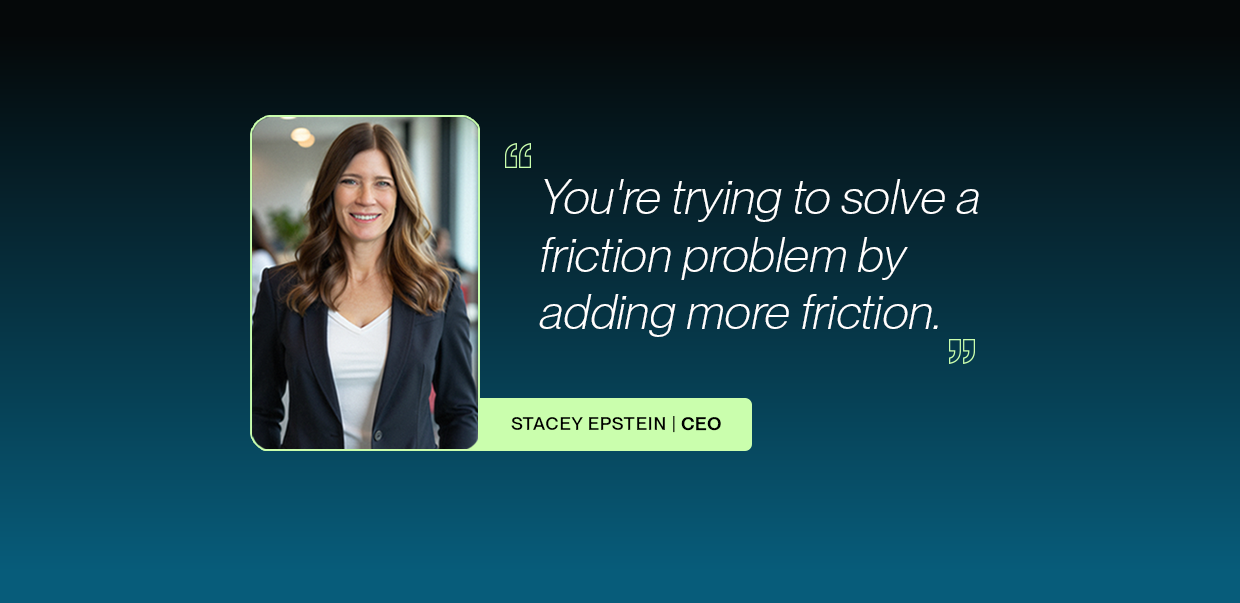
You’re trying to solve a friction problem by adding more friction.
Enablement matters. But enablement on its own doesn’t create pipeline.
The gap between being enabled and actually executing is exactly where partner marketing breaks down.
This Is Fixable
The good news is this is fixable. Not with better training or more content. With a system designed to remove friction so partners can move from intent to execution without getting stuck along the way.
When Microsoft deployed Structured AI, more than a thousand partners logged in almost immediately, and campaigns started launching within days. Not because of more enablement. Because the barriers to execution were removed.
When friction disappears, behavior changes. More partners execute, more often. And partner-sourced pipeline stops being a black box and starts showing up as real revenue.
Where to Start
Make it dead simple to execute.
Stop expecting partners to build campaigns. Serve them what they need. Pre-built, co-branded, ready to run, already aligned to their market. Translation handled in a click. Partners can tweak, adjust, and make it their own in seconds, without rebuilding anything.
Remove the steps that don’t directly lead to a campaign going live.
Activation shouldn’t be your bottleneck.
Stop asking why partners are not engaging. Start asking what a partner has to do before they can run a single campaign. Map that journey. Count the steps. Then remove as many as possible.
This is partner marketing in the age of AI.
Join me on May 21 for a 30-minute live session where we’ll break down exactly where the activation gap shows up, why it’s a system problem, not a people problem, and what it looks like when execution becomes this simple.
Register for The Activation Gap: May 21, 2026 | 12:00 PM EST | 30 minutes |

Bring your own program challenges. This is a working session for channel leaders who are tired of explaining low execution numbers, not a product demo.